
What Metals Pay the Most at a Scrap Yard? A 2026 Guide for Chicago Heights Residents
If you want to get the most money from your scrap metal, knowing which metals pay the most at a scrap yard is the single most important thing you can do before heading out. This guide breaks down the metal value hierarchy for Chicago Heights, IL residents, so you can make smart decisions about what to save, sort, and bring in.
Ferrous vs. Non-Ferrous: Why the Difference Matters
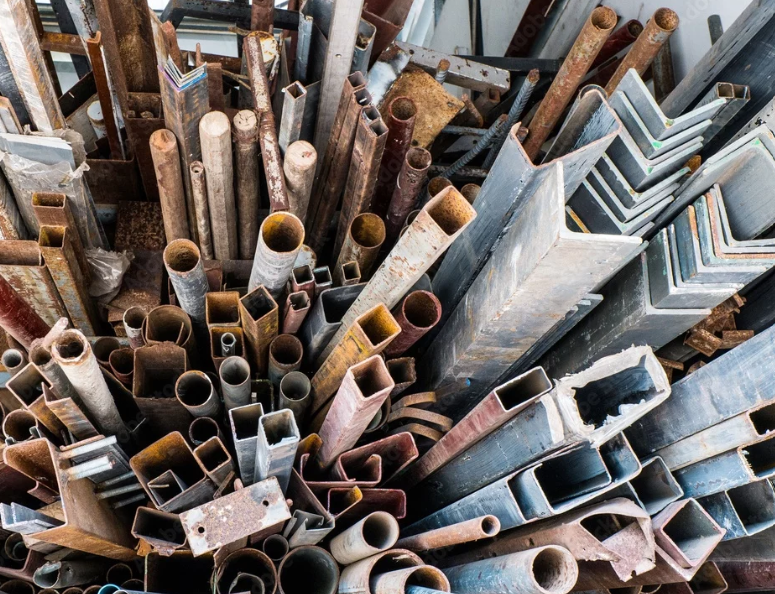
Non-ferrous metals almost always pay more at a scrap yard than ferrous metals. The simplest way to tell them apart is a magnet. If your metal sticks, it is ferrous, typically steel or iron. If the magnet slides off, you likely have a higher-value non-ferrous metal.
Ferrous metals like steel and iron are abundant and widely recycled, which keeps their per-pound value lower. Non-ferrous metals like copper, aluminum, and brass are rarer, more energy-intensive to produce, and in high demand from manufacturers. Cook County residents often come across ferrous scrap from appliances and automotive parts, as well as non-ferrous metals from electrical work and plumbing renovations.
Which Metals Pay the Most?
Copper is consistently the highest-paying metal at most scrap yards. It turns up frequently during home and commercial work in wiring, plumbing, and HVAC systems. The grade matters significantly. Bare bright copper, which is clean, uncoated, and free of attachments, earns the best return. Lower grades such as insulated wire or roofing copper with tar pay less because they require more processing.
Brass is another strong performer. Common sources include plumbing fittings, valves, and old fixtures. Red brass, which has a higher copper content, fetches a better return than mixed or dirty brass. Residents doing plumbing updates in older Chicago Heights homes often find useful amounts of brass worth separating before a trip to the yard.
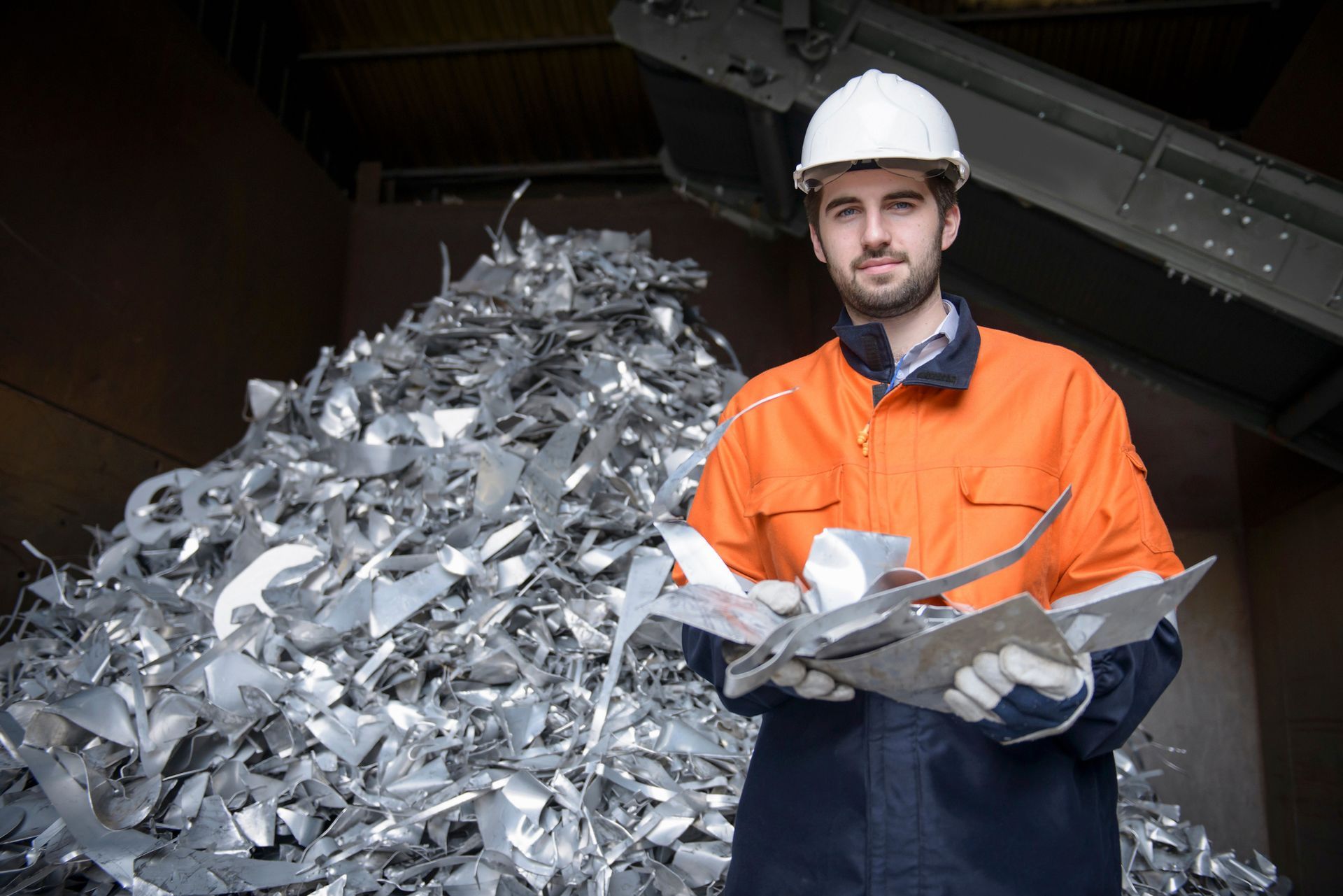
Aluminum sits below copper and brass in value but is still worthwhile to collect. It appears in window frames, siding, gutters, engine parts, and cans. Clean, separated aluminum earns a noticeably better return than mixed or contaminated material.
Steel and iron pay less per pound, but volume can make a difference. A heavy load of appliances, car parts, or structural steel can still add up.
A Quick Value Tier Summary
- Bare bright copper: Top-tier non-ferrous, highest return per pound.
- Red brass and clean yellow brass: Strong value, especially from plumbing fixtures.
- Clean aluminum (extrusions, cast, wire): Mid-tier non-ferrous, worth separating carefully.
- Stainless steel: Mid-range value, commonly found in kitchen and industrial equipment.
- Steel and iron: Lower per-pound return, accepted by weight.
How Scrap Metal Prices Fluctuate
Scrap metal prices change regularly based on commodity markets, global supply and demand, the strength of the U.S. dollar, and manufacturing activity. A price from two weeks ago may be different today.
For Chicago Heights residents, this means it pays to call ahead before making a trip. Asking about current rates for the specific metals you have helps you decide whether to bring a load in now or wait. Steel prices can swing based on construction activity and tariff policy. Copper tracks closely with global electrical grid demand and housing starts. Being aware of these trends helps you make better timing decisions when choosing the right scrap yard.
How to Prep Your Metals Before Drop-Off
Taking 20 to 30 minutes to sort your scrap at home can meaningfully improve your return. Clean, separated metals are easier for yard staff to assess and often command better prices than mixed loads.
- Sort ferrous from non-ferrous using a magnet.
- Separate copper by grade: bare bright, insulated wire, and lower-grade copper in their own piles.
- Remove attachments from aluminum including plastic coatings, foam, steel fasteners, and rubber, as mixed material may be graded down.
- Strip brass fittings from steel pipes where practical, since mixed loads may be valued at the lower rate.
- Keep aluminum cans separate from other aluminum, as they are often priced differently.
- Remove any materials the yard does not accept before arrival to avoid delays.
You can review the full list of accepted materials on the What We Accept page before loading up.
What Should I Do With Mixed Loads?
Mixed loads can still be accepted, but they may be priced at the lower-grade value of the materials present. Separating copper from steel before arrival, for example, may significantly improve your total payout. When in doubt, sort it out.
Does the Amount I Bring In Matter?
Even small loads from homeowners are welcome. Chicago Heights residents who are new to scrap recycling should not feel their load is too small to bring in. Every pound counts at a scrap yard.
Ready to Turn Your Scrap Into Cash Near Chicago Heights, IL?
American Scrap Metal, serving Chicago Heights, IL, makes it simple to get a fair return for your scrap metals. The team accepts ferrous and non-ferrous metals from homeowners, contractors, plumbers, electricians, and demolition crews across the south suburbs. Call (708) 239-0101 to ask about current pricing before your visit, or reach out online to get your questions answered. You can also find American Scrap Metal on Google to check hours, read reviews, and get directions before heading out.