
What to Bring to a Metal Scrap Yard Serving Chicago Heights, IL
Visiting a metal scrap yard serving Chicago Heights, IL, can turn leftover materials from home cleanouts, renovation projects, and demolition jobs into real cash. With residential construction and demolition work steadily generating scrap throughout the area, knowing what a yard accepts and how to prepare your load makes the process faster and more rewarding.
Ferrous vs. Non-Ferrous Metals: What Is the Difference?
Every metal a scrap yard accepts falls into one of two categories.
Ferrous Metals
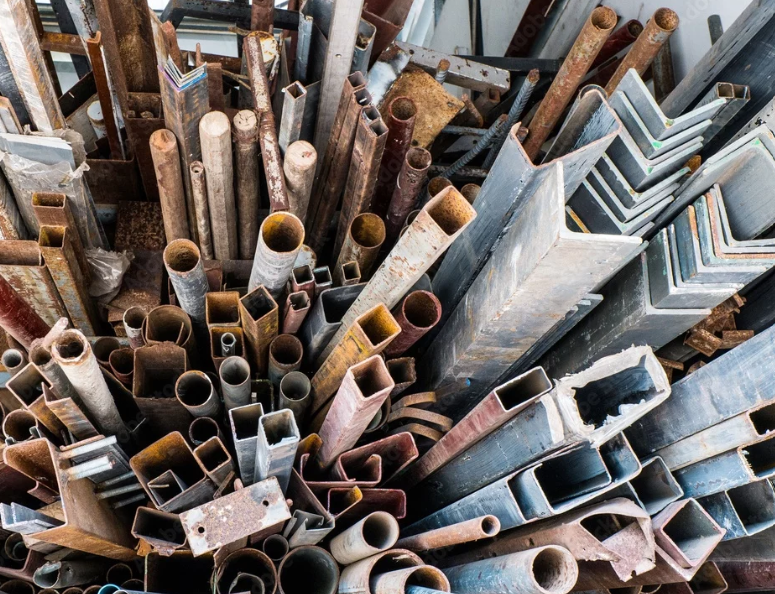
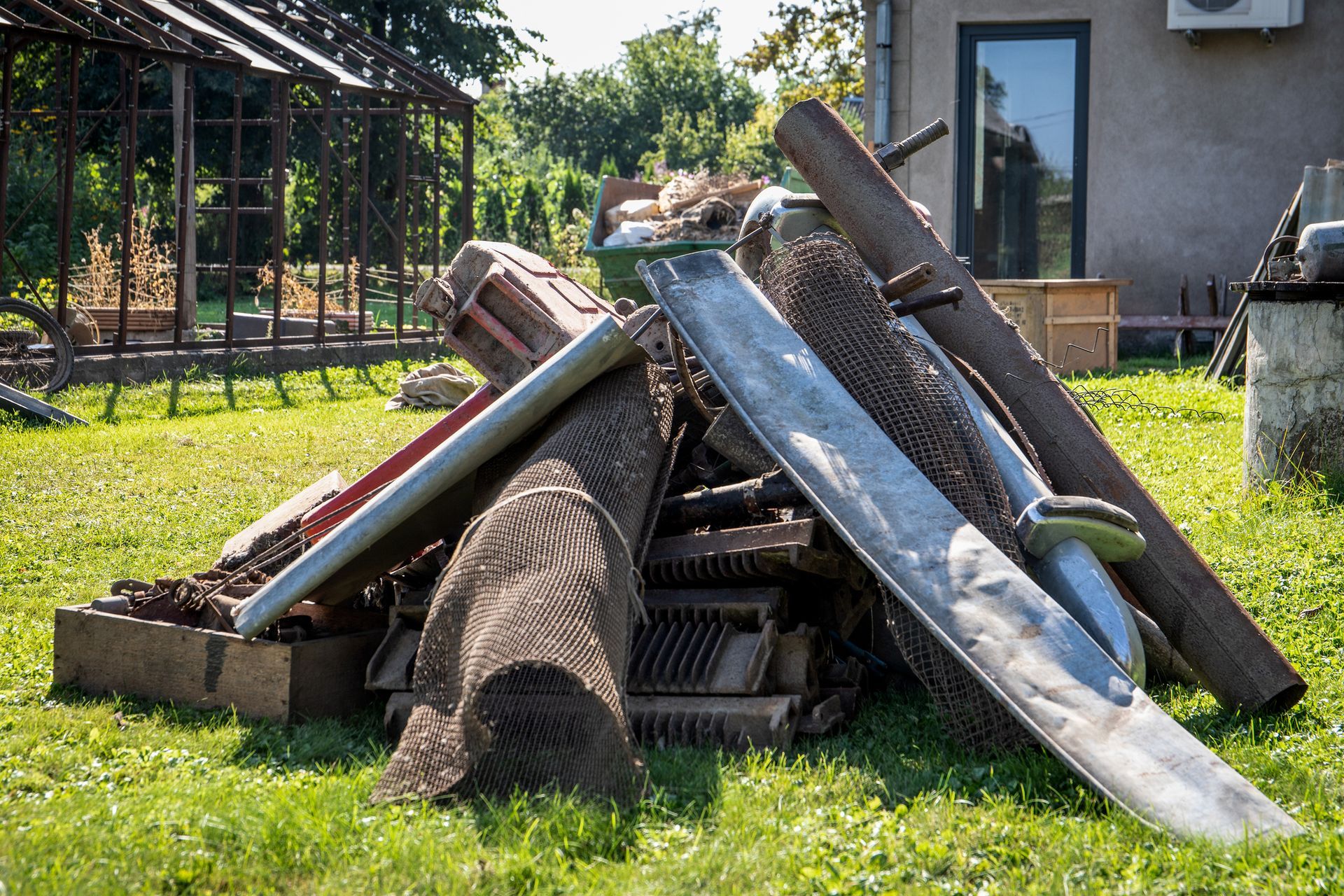
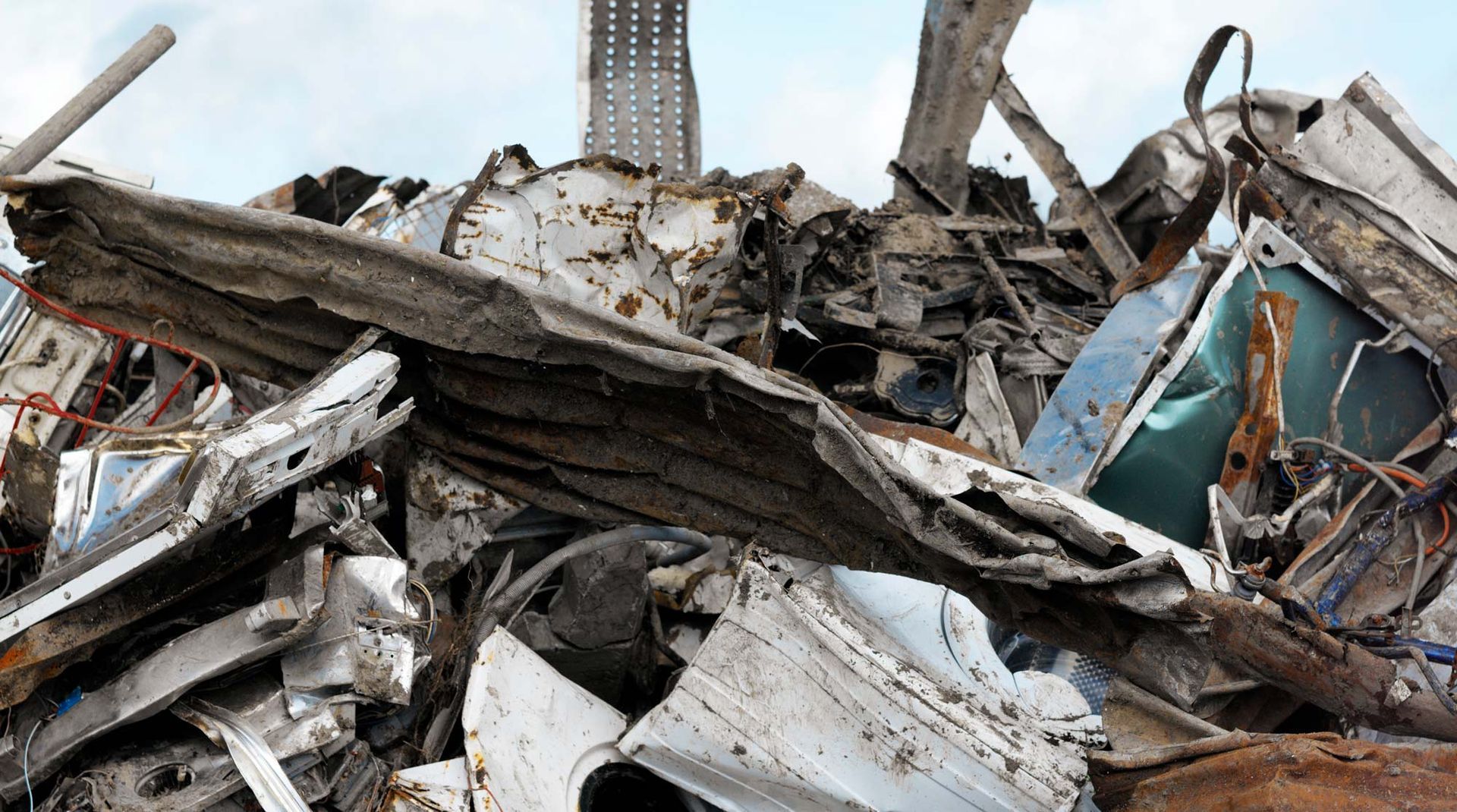
Ferrous metals contain iron. Common examples include steel, cast iron, and structural iron. Contractors demolishing older commercial buildings in Chicago Heights often produce large volumes of structural steel, I-beams, and sheet metal. Ferrous metals can typically be sold as-is, though they generally pay less per pound than non-ferrous metals.
Non-Ferrous Metals
Non-ferrous metals contain no iron. Copper, aluminum, brass, stainless steel, and lead fall into this category. These metals tend to be more valuable by weight and are found in plumbing pipes, electrical wiring, HVAC components, and appliance parts. A simple magnet test can help you tell them apart: if a magnet sticks, the metal is ferrous.
Which Metals Are Most Valuable at a Metal Scrap Yard?
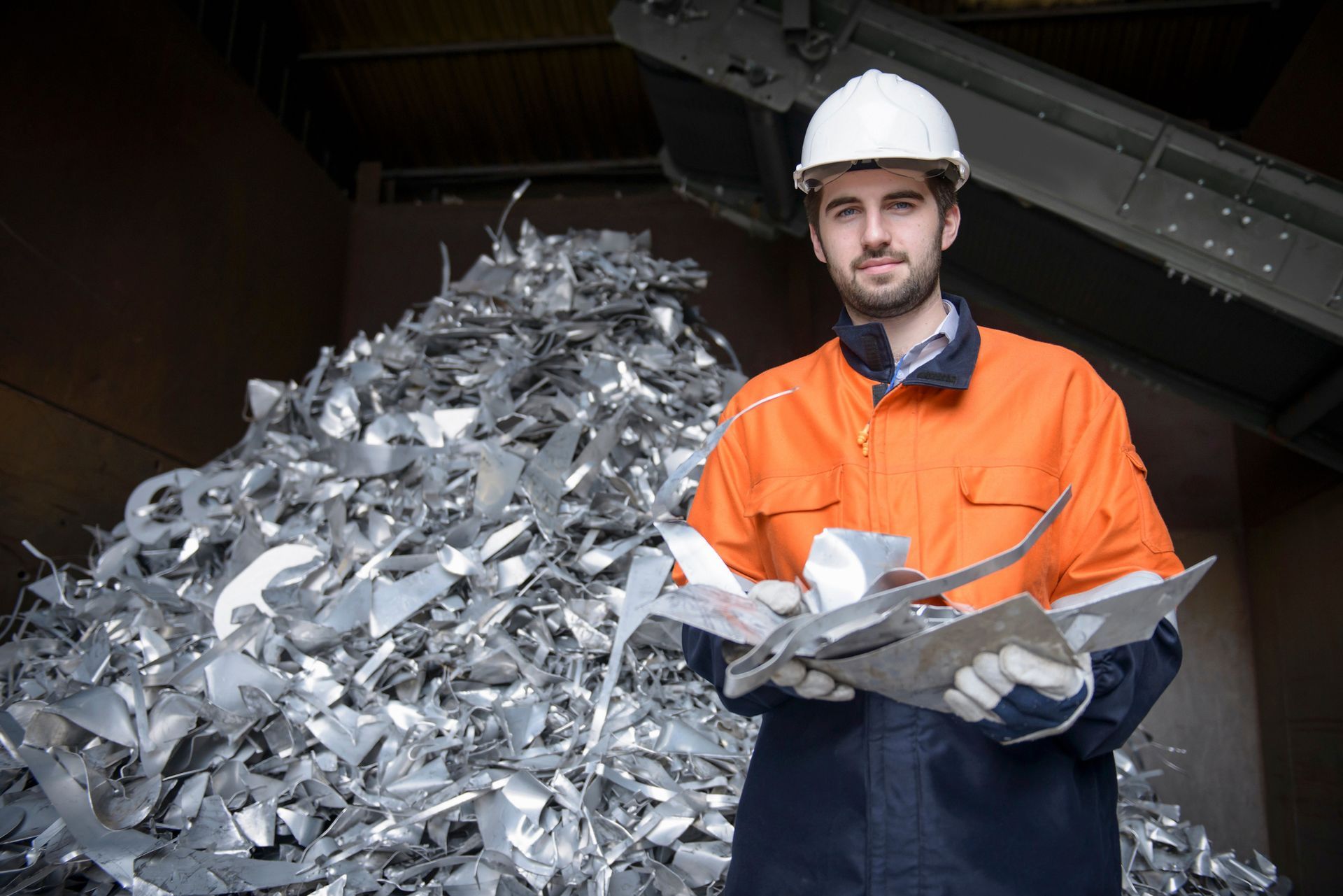
Non-ferrous metals typically command the highest payouts. Copper is often the most valuable metal a scrap yard accepts. Aluminum and brass also pay well. Stainless steel falls in the middle range, while standard steel and mixed iron pay the least per pound, though large volumes can still add up.
For contractors and electricians active in Chicago Heights, copper wire and tubing stripped from job sites can represent a meaningful return.
Which Metals Are Most Valuable at a Metal Scrap Yard?
Most scrap yards accept metal in a wide range of conditions, though cleaner, better-sorted loads may yield better results. Keep these guidelines in mind:
- Remove non-metal attachments where practical, such as plastic fittings or rubber insulation.
- Keep different metal types sorted in separate containers.
- Avoid materials contaminated with hazardous substances such as asbestos or certain industrial coatings.
Does Rust or Paint Affect Your Payout?
Rust and paint can affect how materials are graded. Unpainted, clean steel may grade differently than coated pieces. When in doubt, contact the yard before loading your truck.
Preparing for Your Visit
Before heading to the yard, bring the following:
- A valid government-issued photo ID, required at most Illinois scrap yards.
- Your vehicle registration, especially if hauling in a truck or trailer.
- Metal sorted by type when possible to speed up the weighing process.
- Documentation for larger commercial loads, such as demo permits or job site paperwork.
Contractors with bulk loads from demolition or remodeling may qualify for pickup instead of drop-off. Call ahead to confirm.
Frequently Asked Questions
How Do I Get Paid for Scrap Metal?
Most scrap yards pay on the spot after weighing, typically by cash or check depending on load size and Illinois regulations.
Do Scrap Metal Prices Change Daily?
Yes. Prices for copper, aluminum, steel, and other metals fluctuate with commodity markets, so it's worth checking current rates before you load your vehicle.
Is a Deposit or Receipt Provided After Selling Scrap?
Reputable yards issue a settlement ticket showing material type, weight, and payment amount, useful for your records or tax purposes.
Ready to Sell Your Scrap? Contact American Scrap Metal
American Scrap Metal serves the Chicago Heights, IL, area with competitive pricing, a drive-thru facility, and on-site weigh and pay service. Call (708) 239-0101 to ask about current rates or schedule a pickup, contact our team online, or find us on Google for reviews and directions.